- In Porto, the project partners reviewed the technical and financial progress of the cross-border cooperation initiative between Spain and Portugal.
- Most of the new monitoring stations are now operational, and the project continues to develop tools to anticipate the effects of climate change on water resources.
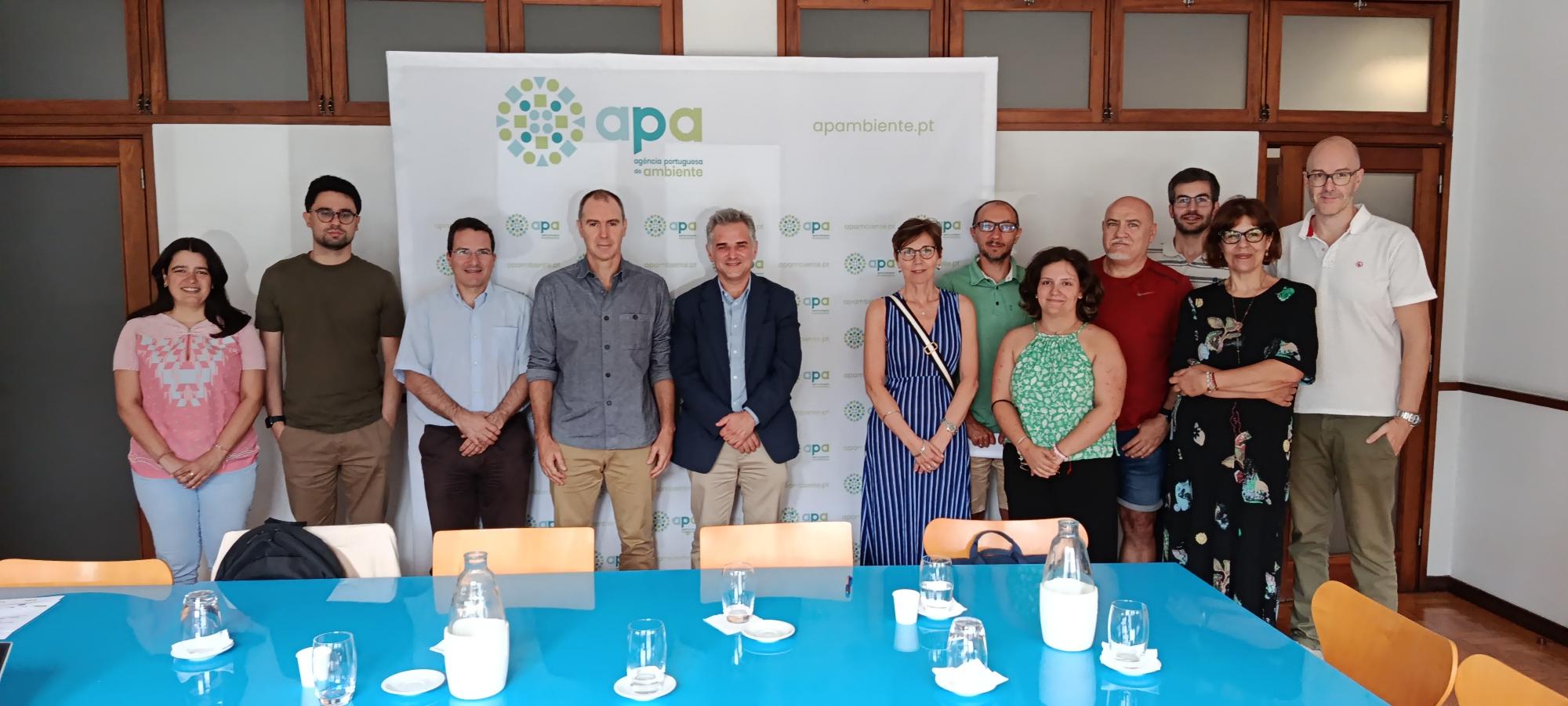
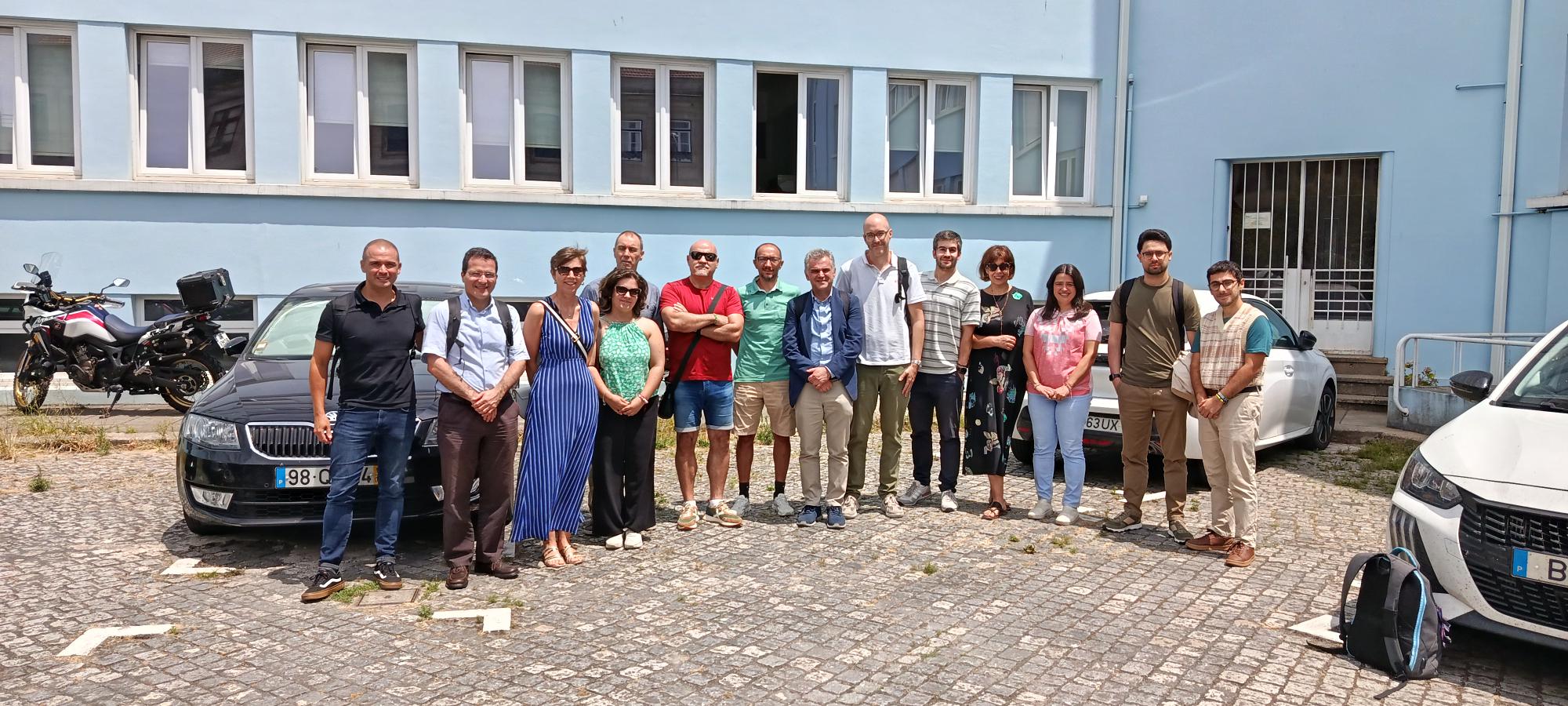
The European RISC-PLUS project held its 24th Joint Working Group meeting at the headquarters of the Agência Portuguesa do Ambiente (APA) in Porto, a meeting at which the partner organisations reviewed the project’s progress and coordinated the next steps as the initiative enters its final phase.
During the meeting, it was noted that the project was progressing well in both technical and financial terms, with particular emphasis on the progress made in the areas of hydrological monitoring, drought prevention, early warning systems and the analysis of the effects of climate change on water resources.
One of the key milestones discussed during the meeting was the progress made on the monitoring network developed as part of RISC-PLUS.
The Miño-Sil River Basin Authority reported that the nine stations planned for the Spanish side are now in place and operational, whilst the Portuguese Environment Agency has completed the installation of the seven stations planned for northern Portugal, thereby consolidating a joint monitoring network that strengthens the hydrological monitoring of the international Miño river basin.
Furthermore, the Miño-Sil River Basin Authority confirmed that work on the new station on the River Búbal will begin this August, which will enable a further expansion of the capacity to observe and analyse the hydrological behaviour of the region.
The meeting also provided an opportunity to review the progress made in developing new tools to support water resource management.
In this regard, the Miño-Sil River Basin Authority presented the initial results obtained under the new Special Drought Plan, which incorporates a more accurate predictive tool and is already being used to produce monthly assessments to improve decision-making in situations of water scarcity.
For its part, the Faculty of Engineering at the University of Porto (FEUP) reported on the recent publication of a scientific article based on the work carried out in this line of research, thereby reinforcing the knowledge transfer generated by the project.
Furthermore, the partners made progress on drafting a report on the operation and modelling of early-warning systems, a tool designed to improve the response to extreme hydrological events.
The University of Vigo presented the findings of a study on the socio-economic impact of climate change on strategic sectors in the river basin, focusing on hydroelectric power generation and crops such as potatoes and grapes.
Preliminary results point to an increase in the costs associated with hydroelectric power generation under various climate scenarios, highlighting the need to continue developing tools that enable the anticipation of the effects of climate change and facilitate more efficient water resource planning.
The meeting also served to make progress on organising the project’s final dissemination activities, including the strategic event and the RISC-PLUS closing conference, scheduled for November, at which the main results achieved during these years of cooperation between organisations in Spain and Portugal will be presented.
With this latest meeting, RISC-PLUS continues to consolidate the development of innovative solutions based on monitoring, scientific knowledge and cross-border cooperation to improve water resource management and strengthen the region’s resilience to floods, droughts and other phenomena associated with climate change.
This project, co-funded by the European Interreg Spain–Portugal (POCTEP) programme 2021–2027, is committed to solutions based on scientific knowledge, cross-border cooperation and technological innovation, to ensure efficient and sustainable water management in a context shaped by climate change.