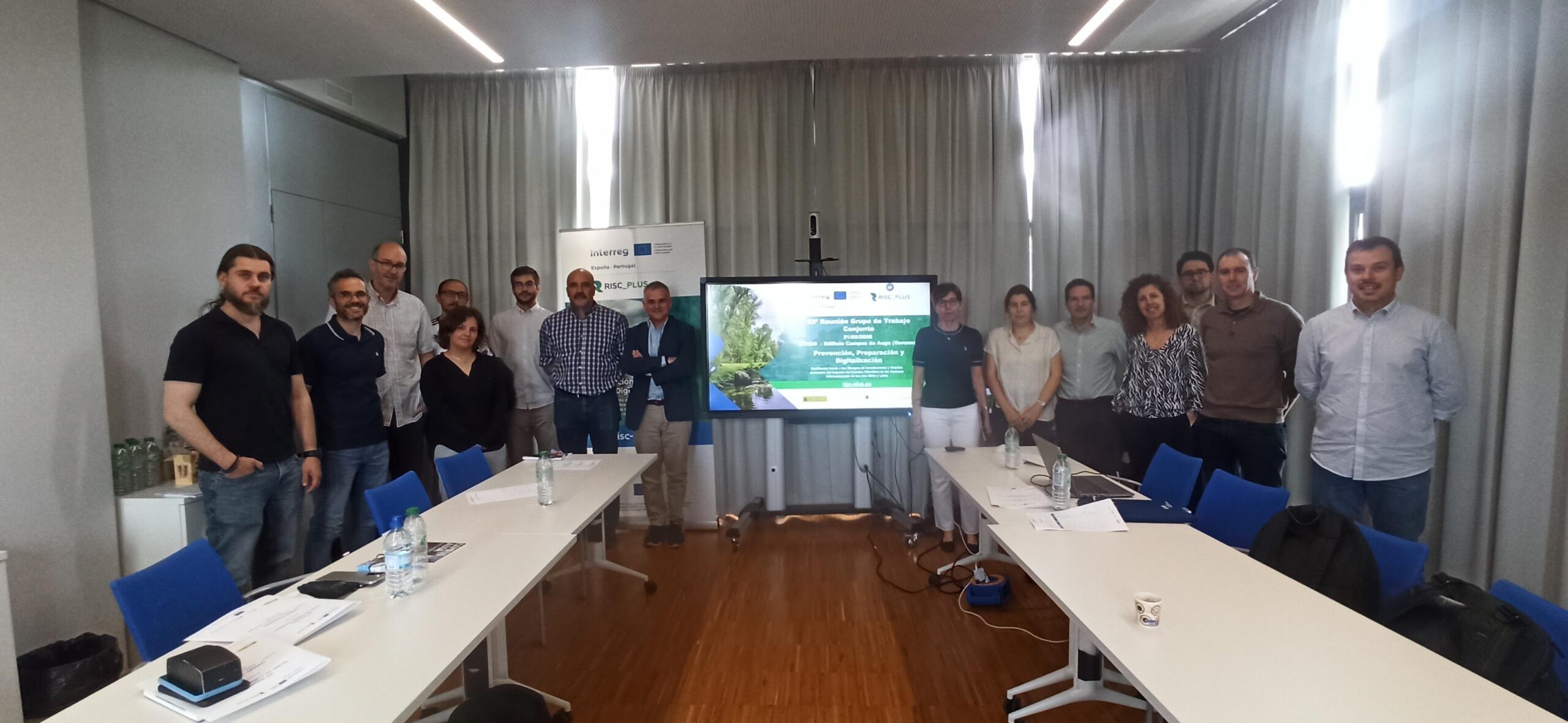
- The project partners reviewed progress in hydrological monitoring, drought forecasting and decision-support tools
- The project strengthens cooperation between organisations in Spain and Portugal to improve resilience to extreme weather events
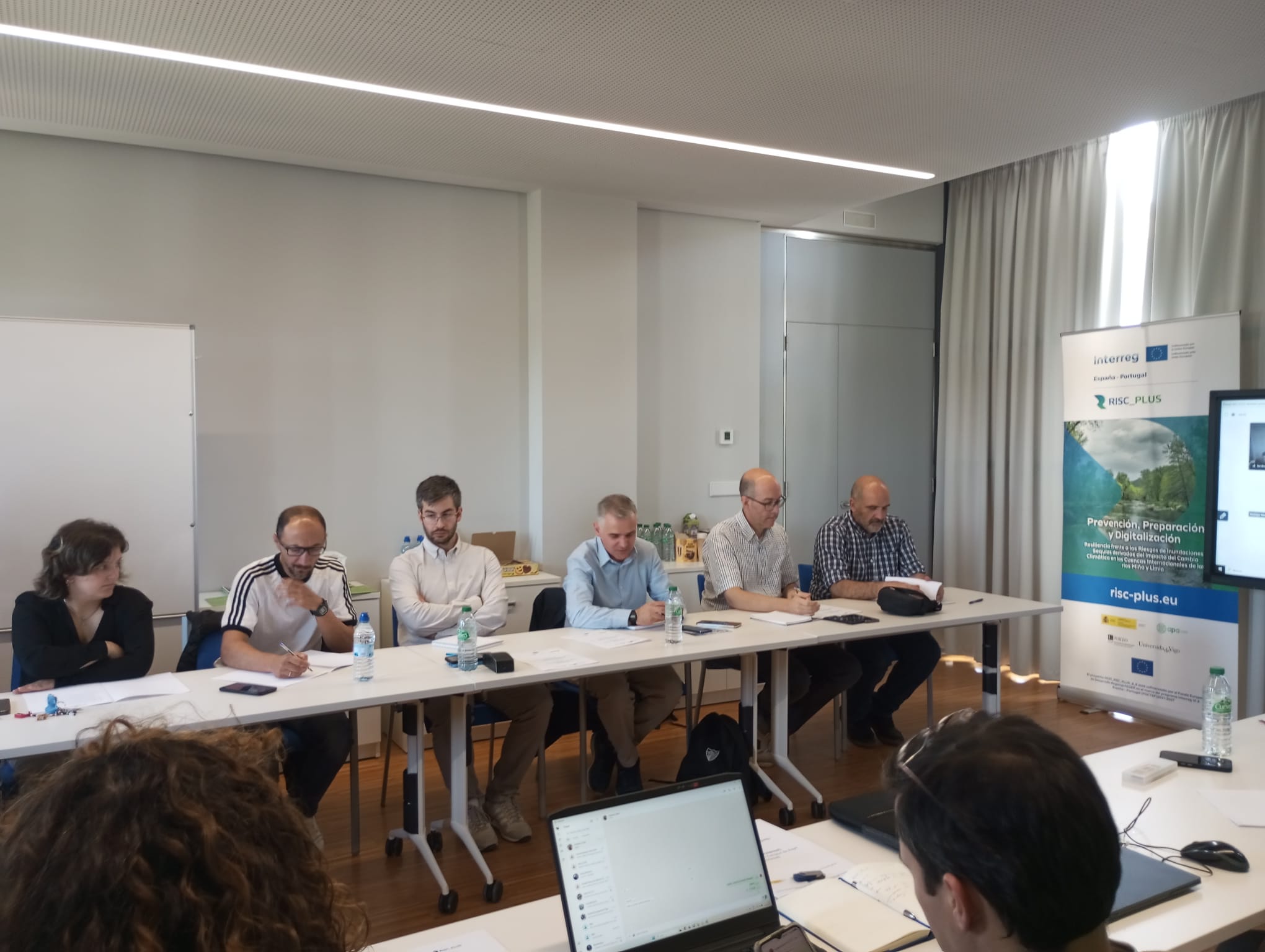
Improvements to hydrological monitoring, the development of drought forecasting models and the analysis of the impact of climate change were the focus of the technical meeting of the European RISC-PLUS project, held at the University of Vigo’s campus in Ourense.
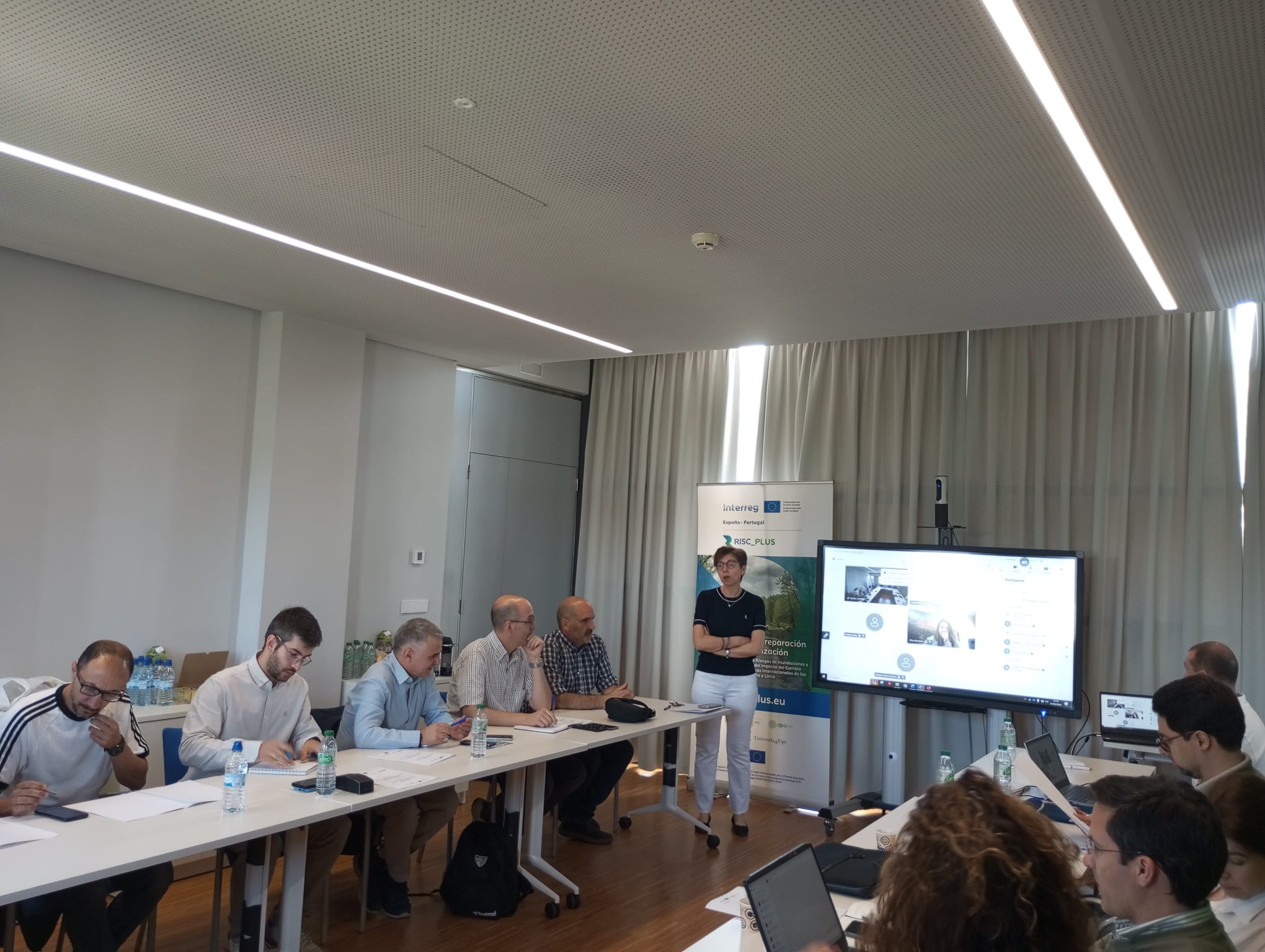
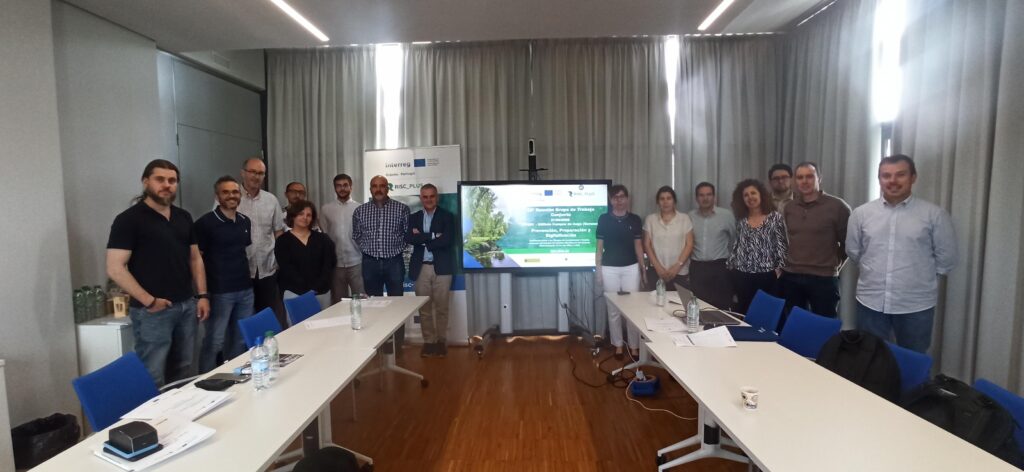
The meeting brought together representatives from the Miño-Sil River Basin Authority, the Portuguese Environment Agency (APA), the University of Vigo and the Faculty of Engineering of the University of Porto (FEUP), all project partners, to analyse the main advances made in various tools aimed at improving the management of climate and environmental risks in the international catchment areas of the Miño and Limia rivers.
One of the highlights of the meeting was the progress made on the hydrological monitoring and control infrastructure developed by the Miño-Sil River Basin Authority and the Portuguese Environment Agency (APA) as part of the RISC-PLUS project.
During the meeting, the APA’s completion of seven new hydrometeorological monitoring stations, commissioned in 2025 in northern Portugal, was highlighted, thereby strengthening the monitoring and surveillance capacity of the shared river basin.
The Miño-Sil Hydrographic Confederation highlighted that nine monitoring stations have already been completed; furthermore, the future Os Peares station remains in the development phase and is scheduled for completion this summer.
The meeting also discussed the possibility of adding new monitoring points with the aim of further improving our understanding of the basin’s hydrological behaviour and enhancing our ability to respond to extreme events such as floods and droughts.
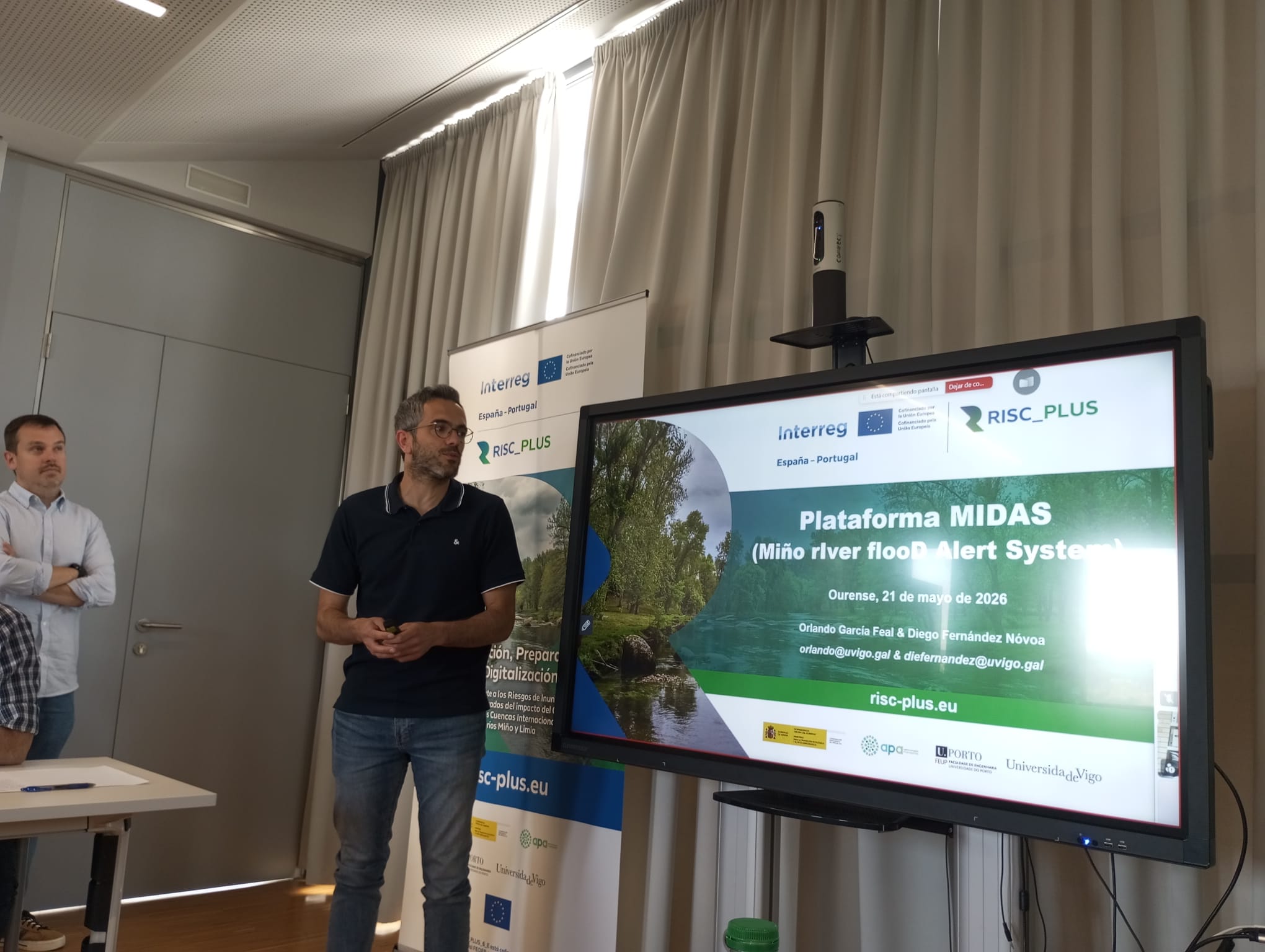
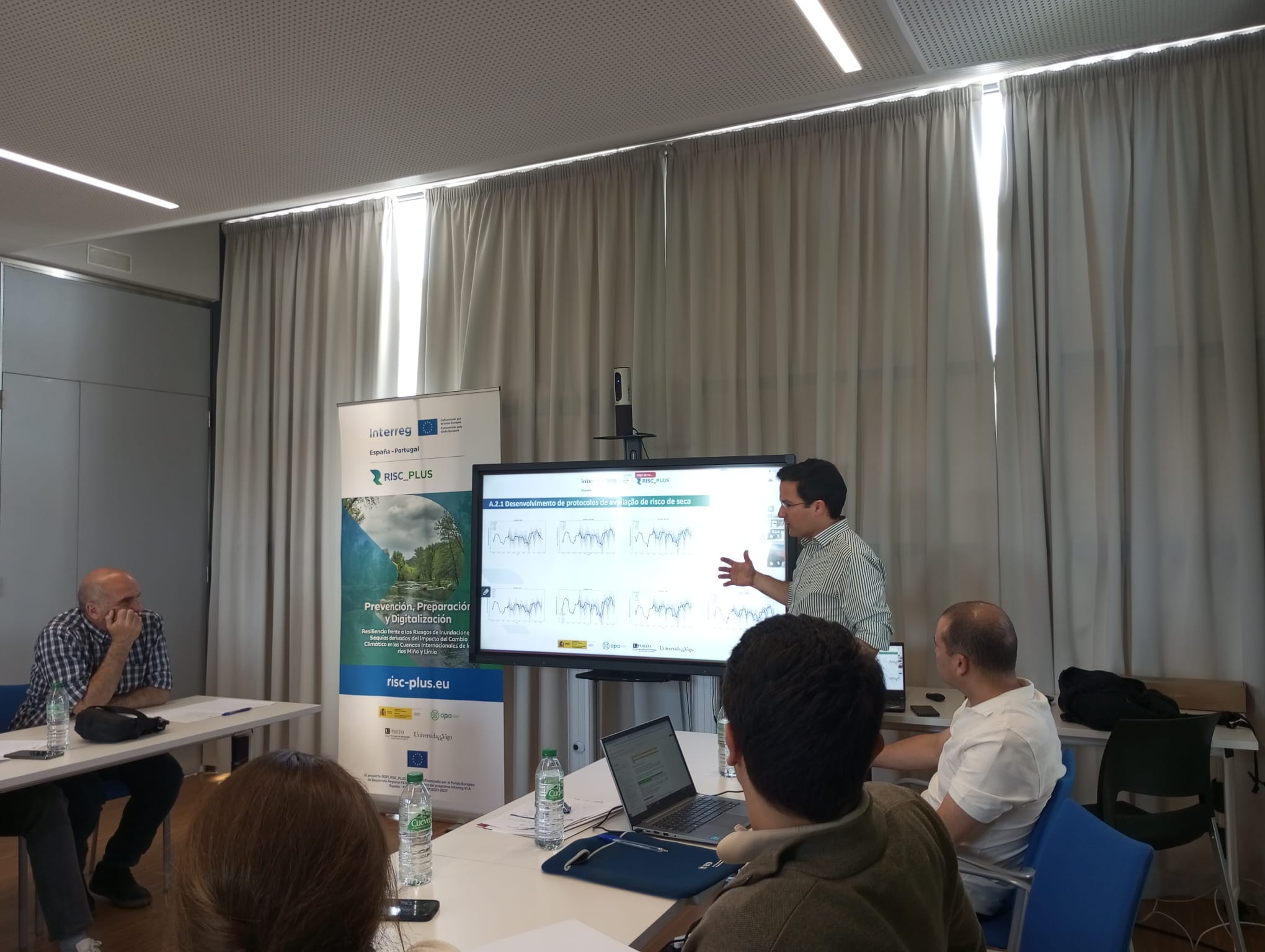
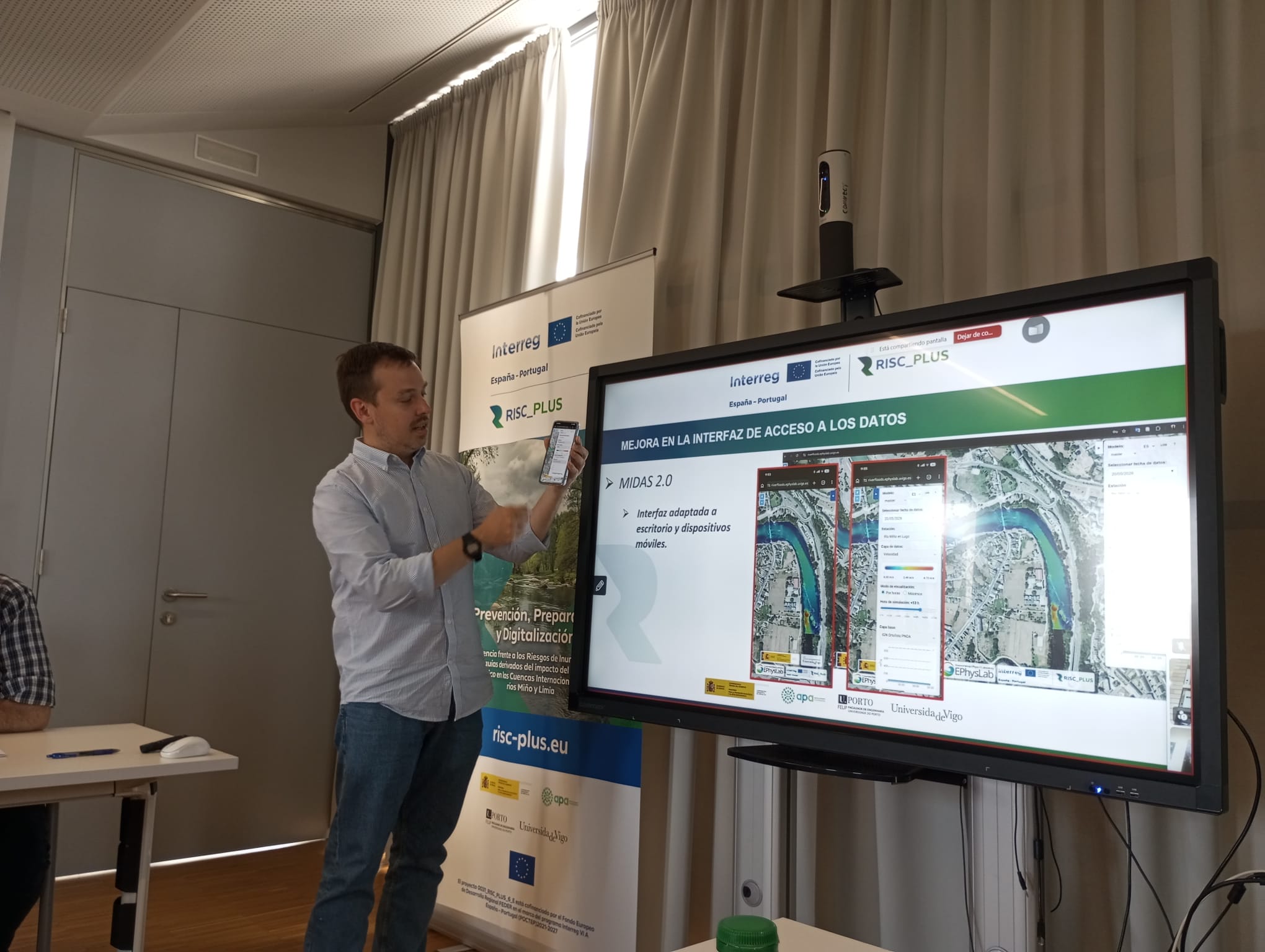
During the meeting, progress was also reviewed on the development of drought forecasting models presented by the Faculty of Engineering of the University of Porto (FEUP), as well as the new improvements incorporated by the University of Vigo into the project’s Decision Support System, which will facilitate access to and analysis of the data generated.
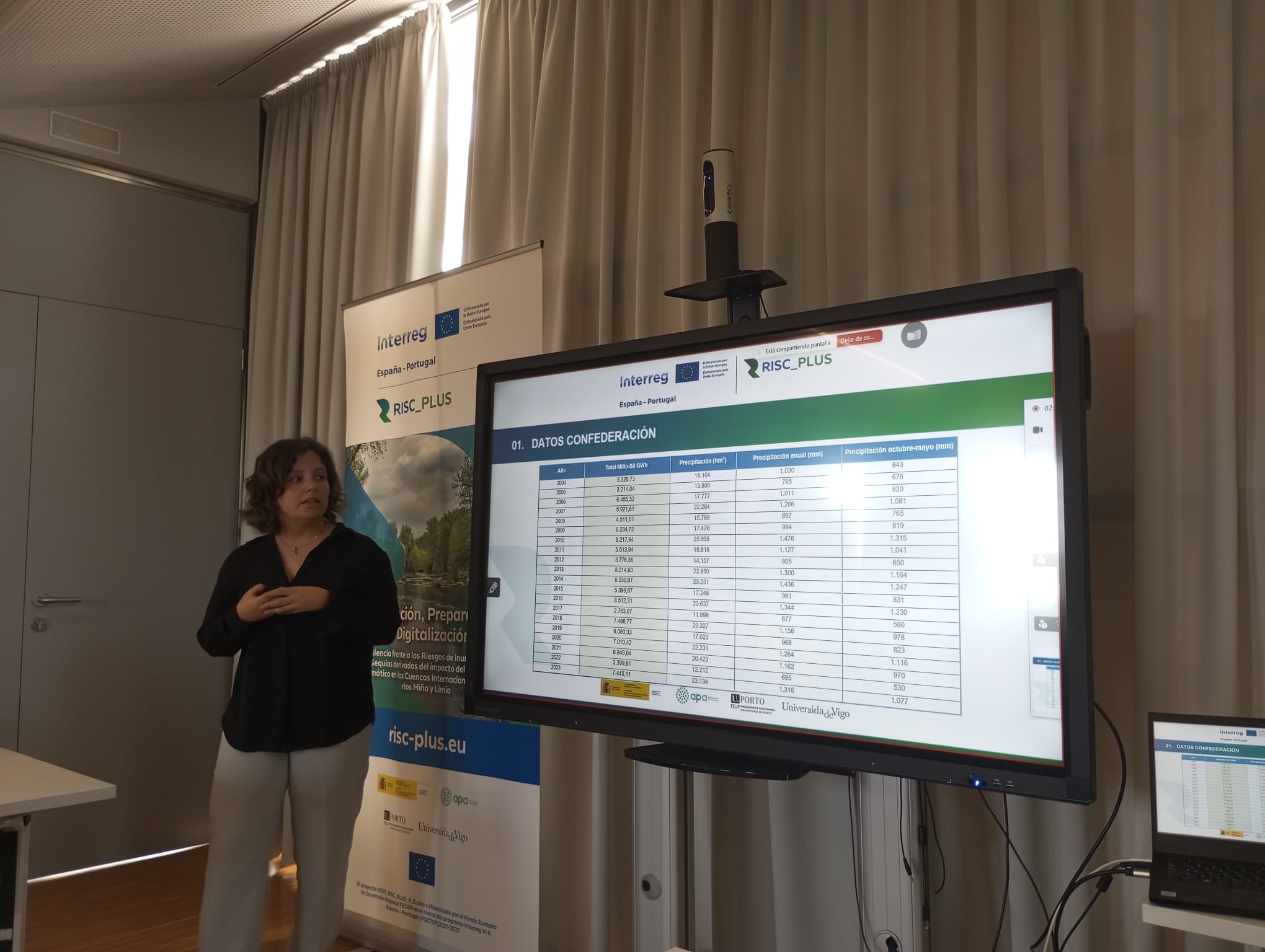
Another area analysed was the study of the impact of climate change on hydroelectric production, carried out by the University of Vigo using historical precipitation and energy production data provided by the Miño-Sil River Basin Authority.
The meeting once again highlighted the importance of cooperation between water authorities and research centres in Spain and Portugal in developing tools to anticipate risks, improve water management and strengthen the region’s resilience to climate change.
Through initiatives such as RISC-PLUS, the participating organisations continue to promote solutions based on scientific knowledge, monitoring and cross-border cooperation to improve the prevention and management of extreme events.
This project, co-funded by the European Interreg Spain–Portugal (POCTEP) programme 2021–2027, is committed to solutions based on scientific knowledge, cross-border cooperation and technological innovation, to ensure efficient and sustainable water management in a context marked by climate change.